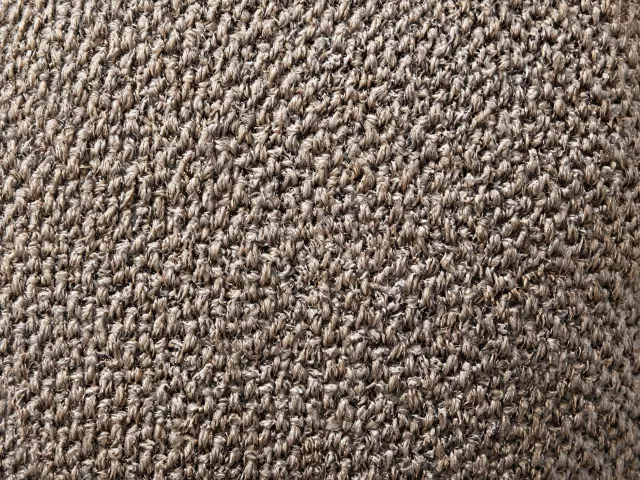
Activewear
State stretch direction, recovery protocol, garment construction and care cycle.
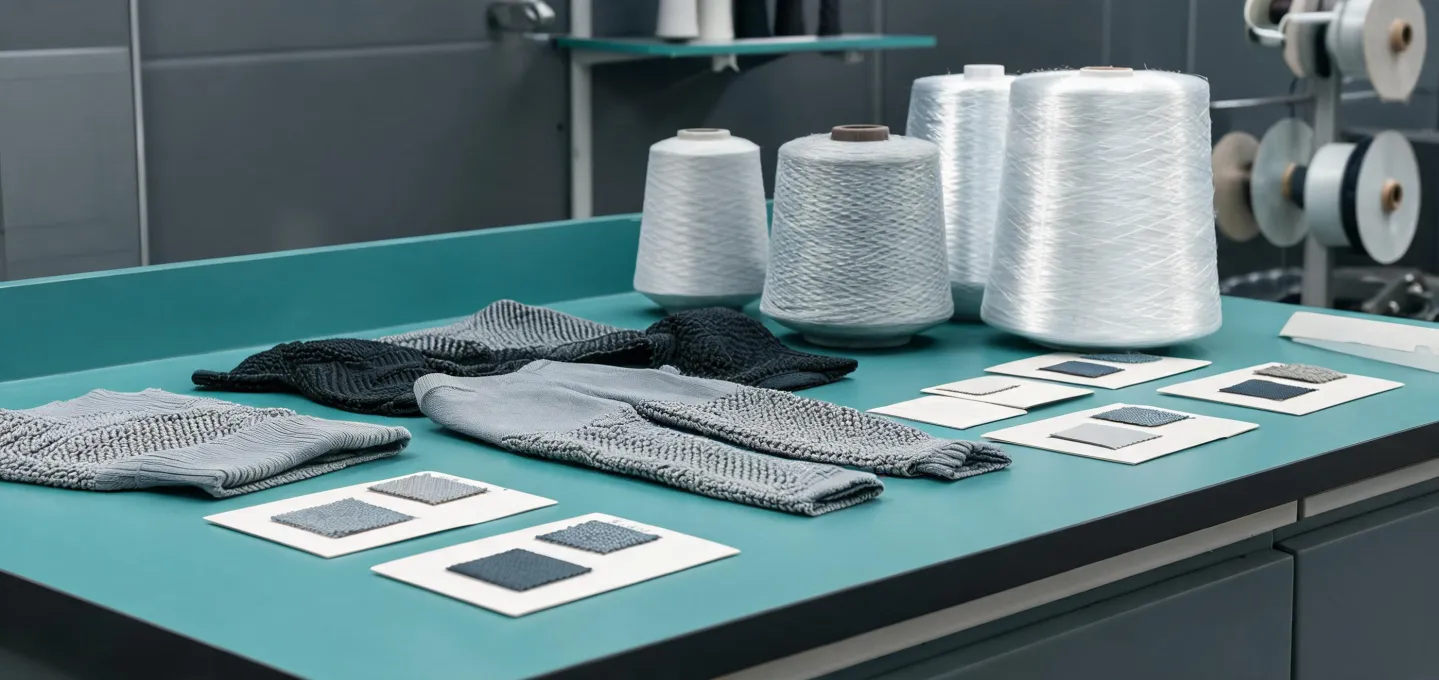
Active and outdoor apparel
Define stretch, recovery, handfeel and moisture-management questions against the proposed yarn, construction and test conditions.
View materials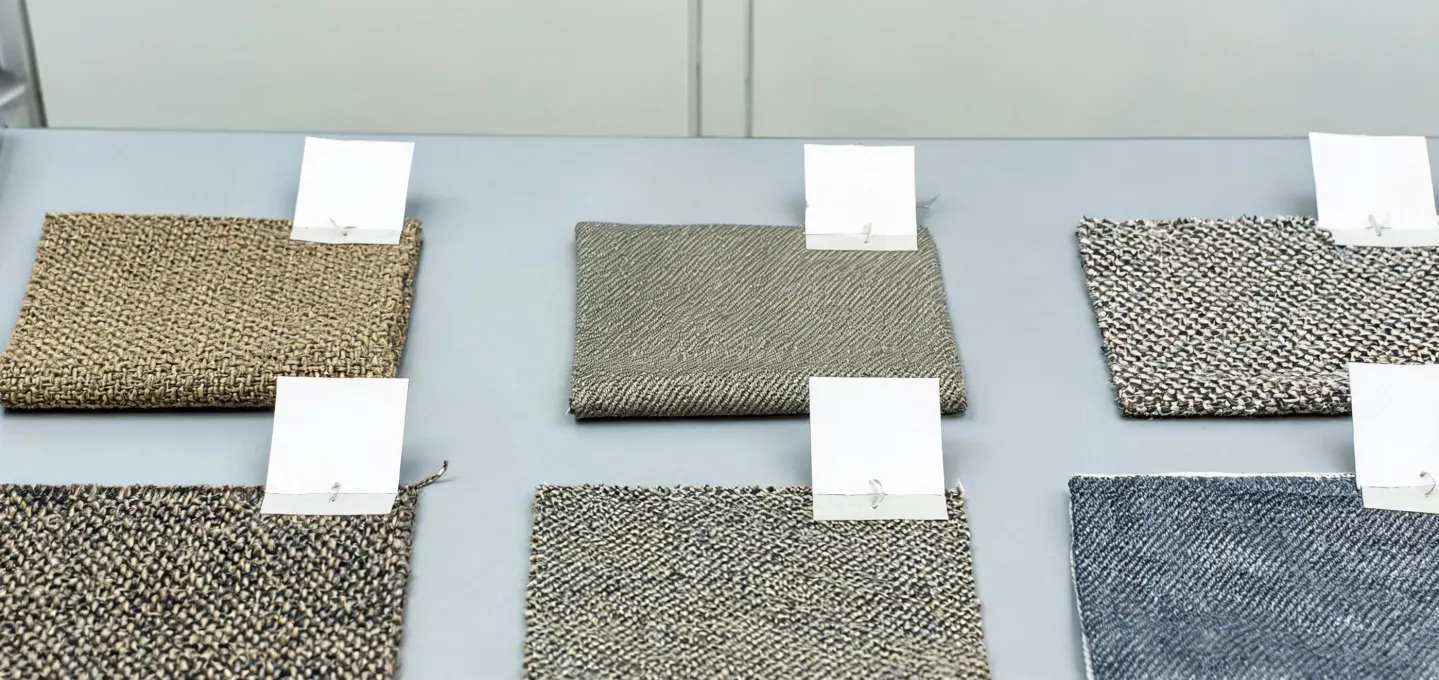
Workwear and uniforms
Protective, antistatic or medical language requires an applicable product, specimen condition and test record; an application label alone is not evidence.
Contact the textile team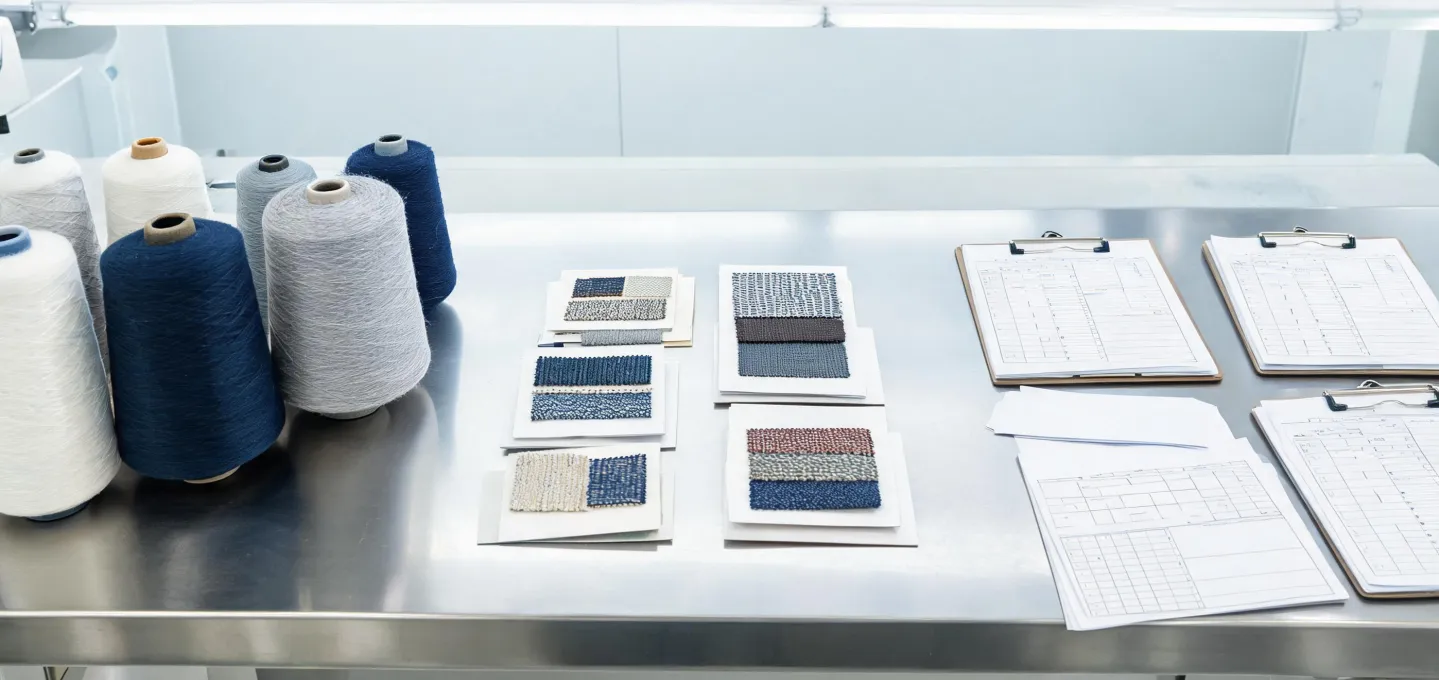
Industrial textile uses
Record exposure, cleaning, dimensional-stability and contamination-control questions before suitability is evaluated for a controlled environment.
Share an applicationApplication checkpoints
State stretch direction, recovery protocol, garment construction and care cycle.
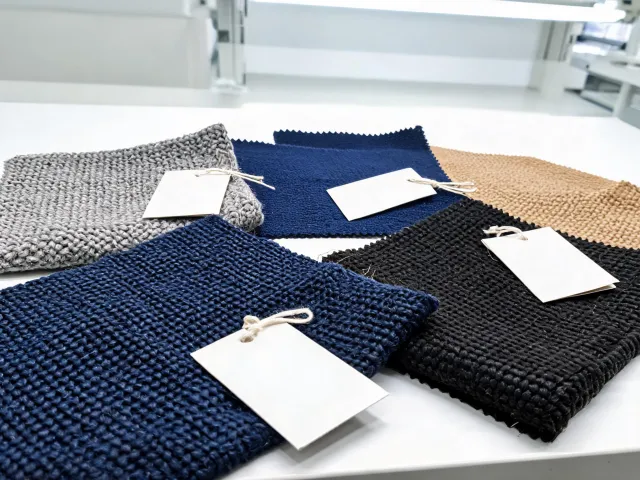
Separate yarn selection from coating, lamination and finished-fabric performance.
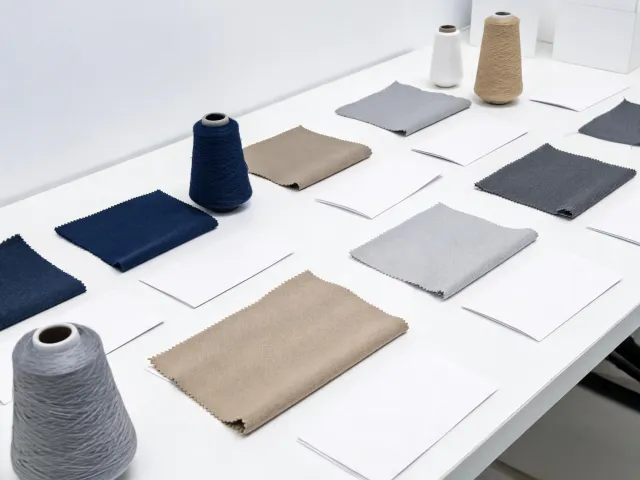
Define abrasion, colorfastness, dimensional stability and the intended duty cycle.
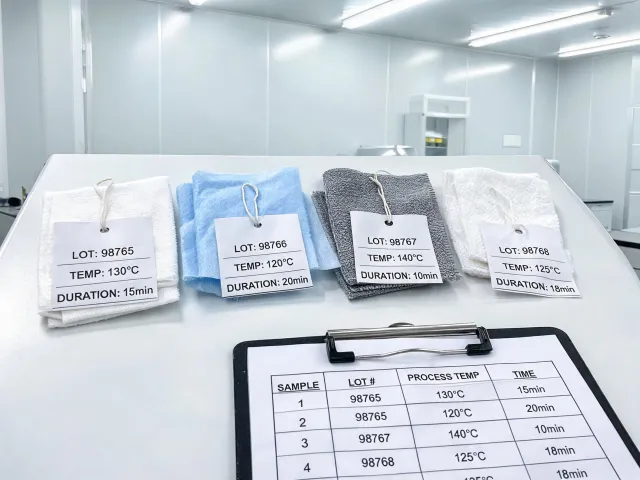
Document contact media, temperature, cleaning route and validation boundary.
Performance requirements
Useful when recovery and fit retention are central to the brief. Evaluation still depends on blend ratio, knit or weave construction, heat history, dyeing route and the agreed elongation-and-recovery method.
Useful where dimensional control, handle or processing simplicity takes priority. It is not automatically more durable: yarn type, twist, construction, finish and care conditions still govern the finished article.
Recommended-material matrix
Send the end use, yarn or fiber direction, construction, quantity and validation question.
Share an application